


Study starts on world’s rarest bat |29 July 2004
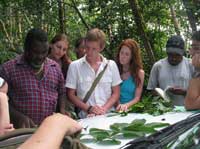
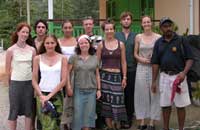
The study is being carried out by a team of researchers from the Universities of Aberdeen, St. Andrews and Liverpool in the U.K, and the local NGO Nature Seychelles, in close collaboration with the Ministry of Environment and Natural Resources.
Once abundant, the sheath-tailed bat, known locally as sousouri bannann suffered a dramatic decline in numbers and in range during the mid to late 20th Century and is now known to occupy only two roosts, with fewer than 40 individuals recorded recently, a spokesperson for Nature Seychelles explained.
According to the spokesperson, the aim of the study is to determine the current population and distribution of this insectivorous bat by surveying areas where the species were known in the recent past, establish the basic ecology and identify threats to determine why the bat has suffered such a massive decline.
Monitoring methods being utilized include surveys using electronic bat detectors and searches for roosts, vegetation surveys and interviews with local residents in the different study areas.
The team hope to use camera-monitoring and automatic recording devices that will not disturb the animals to study behaviour at the roost.
They also aim to increase public awareness via the media and the WildLife Clubs, including the publication of an illustrated children’s book.
The spokesperson said the results of this study will assist in the planning and implementation of a long-term conservation and recovery programme for this very rare species which is on the brink of extinction.
The project is being co-ordinated by Nature Seychelles and contributes to the Ministry of Environment’s sheath-tailed bat national conservation programme.
Funding has been obtained from BP Conservation Programme, the British Ecological Society, Carnegie Trust, Gordon Foundation, Chester Zoo, Aberdeen University Expedition Fund, the Aberdeen University Small Grants Fund and Nature Seychelles’ Volunteer International program, with valuable in-kind contributions from the Ministry of Environment and Natural Resources.