


Moves to restore public trust in judicial system |08 May 2008
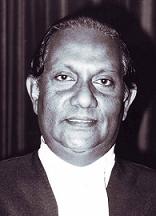
He can also deal with several applications and uncontested divorce cases, which up till now were taken by judges, in addition to contested civil hearings and criminal trials.
These changes are outlined in the Rules of Court defining the jurisdiction and powers of the Master of the Supreme Court and published in the Official Gazette of 21st April as Statutory Instrument No. 19 of 2008.
Contacted by Nation, Judge Perera said the new measures will enable judges to deal with cases that are ready for hearing.
He added that in terms of a practice direction issued by him on March 27, 2008, cases listed for hearing are called on the Tuesday of the previous week, so that when the cause list is finalised, there will be a certainty of the cases being taken up for hearing.
Judge Perera said he decided on these measures to minimise delays in disposing of cases, which has been one of the main criticisms of the judicial system.
Speaking of other measures taken since being appointed Acting Chief Justice on the resignation of Vivekanand Alleear, Judge Perera said that another cause of delays was the inability of process officers to serve a summons on witnesses, meaning cases were postponed.
“To remedy this, initial notices of action in civil cases are now sent by registered post,” Judge Perera said, adding that this measure will reduce the work of the process officers, who will have more time to carry out judgments and serve witness summonses.
He also said the Supreme Court is ready to introduce electronic technology to record evidence and list cases, with the necessary software designed by the Department of Information Communications Technology.
And the court has installed a video-link system which will enable young children who are victims of sexual assaults to give evidence from a place outside court.
In the past this has been a serious drawback in such cases, and Judge Perera is optimistic the new system will ensure a fair hearing both to the victim and the accused.
He also said one of his priorities is to have pending law reports of the Supreme Court and the Court of Appeal published, as this is proving to be a handicap to lawyers as well as judges. He is in contact with a lawyer who has already prepared Supreme Court reports from 1992-1996.
With regard to the Magistrates’ Courts, Judge Perera said two posts were advertised locally but there was no response, so steps will be taken to recruit two expatriate magistrates. One of these will be stationed at Anse Royale and will also cover sittings on Praslin and La Digue.
Judge Perera told Nation that as head of the judiciary, he considered it his responsibility to do whatever is possible to reform the system of judicial administration and to restore the confidence and faith of the public.