


Be antibiotics aware: smart use, best care |01 December 2017
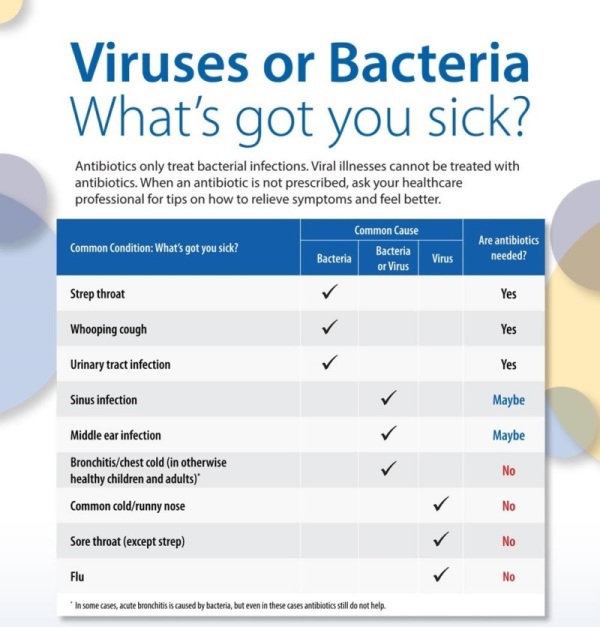
Earlier this month, the Health Care Agency in Seychelles observed the Third World Antibiotics Awareness Week, commemorated from November 13 to 19, 2017. This year’s theme ‘Seek advice from a qualified healthcare professional before taking antibiotics’ – emphasised on the importance of using antibiotics in a responsible manner to help improve antibiotic prescribing/use and to combat antibiotic resistance – one of the most urgent threats to the public’s health.
Antibiotics need to be taken in the right dose and at the right intervals to ensure that they are effective against bacteria. Hence, it is important that they are taken as instructed and that the course is fully completed. If antibiotics are taken unnecessarily and/or are not taken as instructed, this can lead to antibiotic resistance which occurs when bacteria develop the ability to defeat the drugs designed to kill them.
It is therefore great cause for concern that about 30% of antibiotics are prescribed unnecessarily by doctors’ offices and sold over the counter in pharmacies.
Through improved prescription and use of antibiotics, we can still fight infections and help to save lives but at the same time, fight antibiotic resistance and ensure that antibiotics will be available for our future generations.
Antibiotics are needed for the following:
- Treating certain infections caused by bacteria, e.g. pneumonia
- Life-threatening conditions, e.g. sepsis - the body’s extreme response to an infection
- For people at high risk of developing infections, e.g. patients undergoing surgery, those with end-stage kidney disease, or patients receiving cancer therapy (chemotherapy)
Antibiotics are not required for the following:
- Antibiotics will not help common bacterial infections, e.g. most cases of bronchitis, many sinus infections and some ear infections
- Antibiotics do not work on viral infections, e.g. colds, flu or runny noses, even if the mucus is thick, yellow or green
A responsible approach towards antibiotics
- Talk with your healthcare professional about the best treatment for you/your loved one’s illness
- If you need antibiotics, take them exactly as prescribed
- Talk to your healthcare professional if you have any questions about your antibiotics, or if you develop any side effects especially diarrhea, as this could be a C. difficile infection, which needs to be treated immediately.
The benefits of using antibiotics when a patient needs them outweigh the risk of side effects. However, if they are not required, not only will they not help you but the side effects could still hurt you.
Common side effects of antibiotics can include:
- Rash
- Dizziness
- Nausea
- Diarrhea
- Yeast infections
More serious side effects include:
- Clostridium difficile infection (also called C. difficile or C. diff) which causes diarrhea that can lead to severe colon damage and death
- People can also have severe and life-threatening allergic reactions.
What you can do to feel better
- Respiratory viruses usually go away in a week or two without treatment. Ask your healthcare professional about the best way to feel better while your body fights off the virus
- To stay healthy and keep others healthy: clean your hands; cover coughs and stay home when sick.