


The importance of water for our health |13 April 2018
Our bodies are made up of around 70% of water and despite how crucial hydration is for our overall health and diet, many people do not meet their daily recommended levels of fluids.
In light of this, every year the United Nations (UN) commemorates World Water Day on March 22, focusing attention on the importance of water.
In the following article the Nutrition Unit at the Ministry of Health explains the importance of water for our health and diet.

Why do we need to drink water?
Water is a fundamental part of our lives and is ranked second only to oxygen as essential for life. As humans we can exist without food for several months but without water, we can only survive for a few days.
About 50-75% of our body weight is water. The cells and organs in our body need water to function properly and because we lose water (about 1.5 to 2.5 litres daily for a healthy person) during every day functioning, e.g. through activities such as breathing, sweating and urination, this water needs to constantly be replaced.
Water is important in helping with the following functions of our body:
- Digestion
- Absorption of food
- Regulation of body temperature
- Blood circulation
- Maintenance of normal bowel movement
- Transporting nutrients and oxygen to the cells in the body
- Removal of toxins and waste produced by the body
- Lubrication and movement of joints
- Helping to protect tissues and organs in the body
- Moistening tissues such as those in the eyes, mouth and nose
Some water for our body is obtained from food with a high water content, e.g. fruits (watermelon) and vegetables (cucumber), but the majority is gained by drinking water and other beverages. Water is, however, the best source of fluid for the body and milk is a decent source.
Beverages like soft drinks, packed juices and alcohol are not ideal as they contain empty calories. Although fresh fruit juices are a healthier option compared to packet juices, it is better to eat the whole fruit which contains fibre rather than drinking just the juice. Although tea, coffee or herbal tea adds up to our total fluid intake per day, it cannot be counted as a decent source compared to water.
How does water compare to sugary drinks?
Although water is a component of sugary drinks, drinking sugary beverages has opposing effects to drinking pure water.
|
Water |
Sugary drinks |
|
ü Water has no sugar |
v Sugary drinks contain large amounts of sugar which increases the chances of rotting teeth. |
|
ü Water can act as an appetite suppressant |
v Sugary drinks increase blood sugar level which increases hunger and over eating.
|
|
ü Water quenches thirst |
v Because of its high sugar content sugary drinks often leave you feeling thirstier after a while. |
|
ü Drinking water helps you stay healthy |
v Consuming sugary drinks leads to weight gain which may result in depression, diabetes, cardiovascular disease, kidney stones and other illnesses. |
How much water should we drink and how often?
The recommended amount of water per day varies for every person, depending on different factors, e.g. how active they are and how much they sweat. Drinking 8 glasses of water a day (around 2 litres) can put people on the right track for daily water consumption, but should not be regarded as the limit.
For any specific disease conditions, e.g. renal failure, where it is necessary to restrict the total amount of fluid consumed per day, there is no need for restricting the amount of water consumed per day.
Dehydration is using and losing more water than the body is taking in. Contrary to our drive to eat, our drive to drink is not as keen. Our thirst mechanism normally kicks in when we are already mildly dehydrated, in other words, thirst is a late signal. The body usually needs water long before you start feeling thirsty, making it important to get into the habit of drinking / sipping water even if not thirsty.
What factors influence our water needs?
Our total fluid intake may need to be modified for various reasons. Some examples include:
- Exercise: Exercising or engaging in any activity that makes you sweat, requires us to drink extra water to compensate for the fluid loss. The amount of additional fluid we need depends on how much you sweat during exercise, as well as the duration and type of exercise. For example, an extra 400 to 600 millilitres of water should suffice for short bouts of exercise, but intense sessions lasting more than an hour, e.g. running a marathon, requires more fluid intake.
- Environment: Hot or humid weather, like in Seychelles, can make you sweat, hence requiring additional intake of fluid.
- Illnesses or health conditions: When you have fever, vomiting or diarrhoea, your body loses fluid and so in these cases, you should drink more water. This may also be necessary if you develop certain conditions, including bladder infections or urinary tract stones. In some cases, your doctor may recommend oral rehydration solutions.
- Pregnancy or breast-feeding: Large amounts of fluid are used especially when nursing, hence women who are pregnant or breast-feeding need additional fluids to stay hydrated. It is recommended that pregnant women drink at least 2 litres of water daily and women who are breast-feeding, consume at least 3 litres of water a day.
What are the signs of dehydration?
Being dehydrated keeps you from being as fast and sharp as you would have liked to be. Other than an increased thirst, other signs include:
- Dry mouth, chapped lips, feeling lightheaded, headache, dizziness, confusion, reduced urine output and dark yellow urine.
One of the best ways to recognise dehydration is to pay close attention to the colour of your urine.
How does not drinking enough water affect our kidneys and other organs?
- Our kidneys filter about 113 to 142 litres of blood to produce about 2.5 litres of urine, composed of wastes and extra fluid. The leading cause of kidney stones is a lack of water; they are typically reported in people who do not drink the daily recommended amount of water. Kidney stones interfere with how the kidneys work and, when present, can complicate urinary tract infections (UTIs) which then require longer periods of antibiotics to treat them (about 7 – 14 days). Drinking plenty of water reduces the risk of developing UTIs and is also recommended for those who have already developed a UTI. Kidney stones also increase the risk of chronic kidney disease.
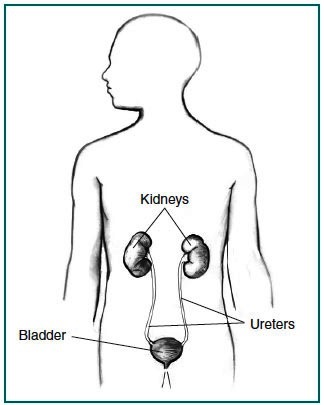
The levels of electrolytes are kept stable by properly functioning kidneys. Dehydration can also lead to an imbalance in the body’s electrolytes. In severe cases, it can also result in kidney failure – a potentially life-threatening outcome. Possible complications of chronic kidney failure include anaemia, damage to the central nervous system, heart failure and a compromised immune system.
- The bowel needs water to function properly. If dehydrated, digestive problems and constipation can become an issue. Dehydration can also lead to an overly acidic stomach which makes heartburn more common and increases risk of the development of stomach ulcers.
How can we increase our water intake?
- Start by making drinking of water a habit; have a glass of water at least every two hours.
- Carry a refillable water bottle at all times and keep it close by to make it easily accessible.
- Drink water according to your preferences (warm or cold).
- Drink a glass of water when you feel like snacking on junk foods or before eating.
- After each trip to the toilet, drink a glass of water to rehydrate your system.
- To enhance taste and add flavour, you can infuse your water with pieces of fruits and vegetables as well as herbs such as lemon, lime, oranges, cucumber and crushed mint. This is better than consuming bottled flavoured water.
Sources: Nutrition Unit, Ministry of Health; Eat right; Medical news; National Institute of Diabetes and Digestive and Kidney Diseases (NIDDK); World Water Day